Tag: entertainment

  • “Backstory” – the perfect game for Memorial Day traveling

    “Backstory” – the perfect game for Memorial Day traveling

    Traveling for the long weekend?  Anticipate waiting in traffic or to board a plane?  Why not take a break from staring into your mobile device or tablet and find your entertainment in the actual world and try playing a game of “Backstory”.  It’s a game that requires no batteries and is appropriate for all ages.  You can play it by yourself or even better, with your family.

    We started playing “Backstory” when we were young and unmarried hanging out in NYC (mostly in restaurants and bars).  We were always on the lookout for celebrities, but often let down.  However, there were some fake-out moments.

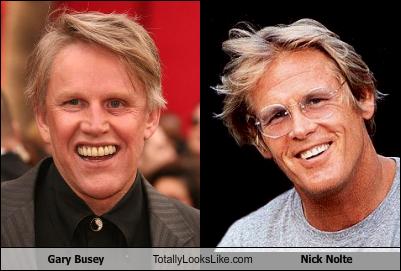
    When we saw celebrity look-alikes, we deemed them “Fake (celebrity name)”.  For example, ultra-skinny, long-faced girl with girly hair was “Fake Sarah Jessica Parker” or middle-aged man who looked like a scraggly drunk with blond hair was “Fake Nick Nolte” – actually, I think that was just Gary Busey that time…
    Anyway, even in stylish NYC not everyone looks like a celebrity, so when we didn’t spot a celebrity or a fake celebrity, we wouldn’t let the fun end.  We came up with the “Backstory”for these ordinary folks, gave them names, developed a small plot line and in 5 or 10 minutes would create a story nearly as compelling as the average sitcom.

    You, too, can get in on the fun.  Why not try playing “Backstory” on this Memorial Day weekend?

    “Backstory” works like this:

    • Observe a stranger and then make them into a character complete with a “Backstory”.
    • Put a small plot line together that explains how they got here and where they’re going.
    • Determine whether they are married or single, fun or serious, in a good mood or a bad mood.
    • Speculate as to what kind of relationship that person has with the person or people they are with – are they lovers, friends, coworkers, etc?
    If you’re playing with others you can:
    •  Each take a turn adding an attribute to your character or
    •  Each take a person in a group and develop you characters separately then come up with the plot together

    It can be really fun, but there are some rules:

    1. Don’t stare for too long,that’s just creepy
    2. Don’t judge the people, this is not about stereotyping or critiquing another person’s clothing.
    3. Don’t tell the people that you were staring at them and making up a story….that game is called, “Stalker” and no one likes that game…
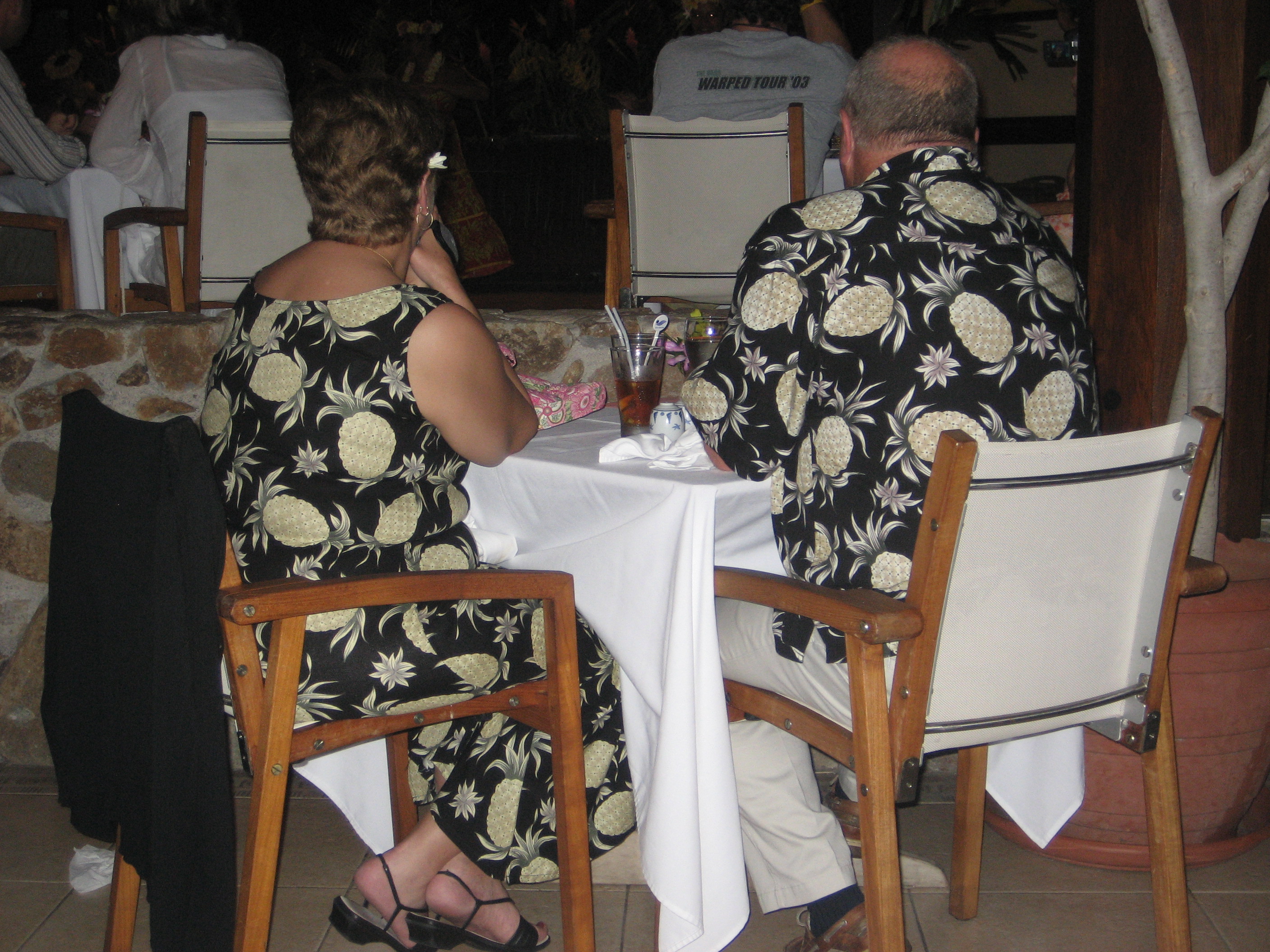
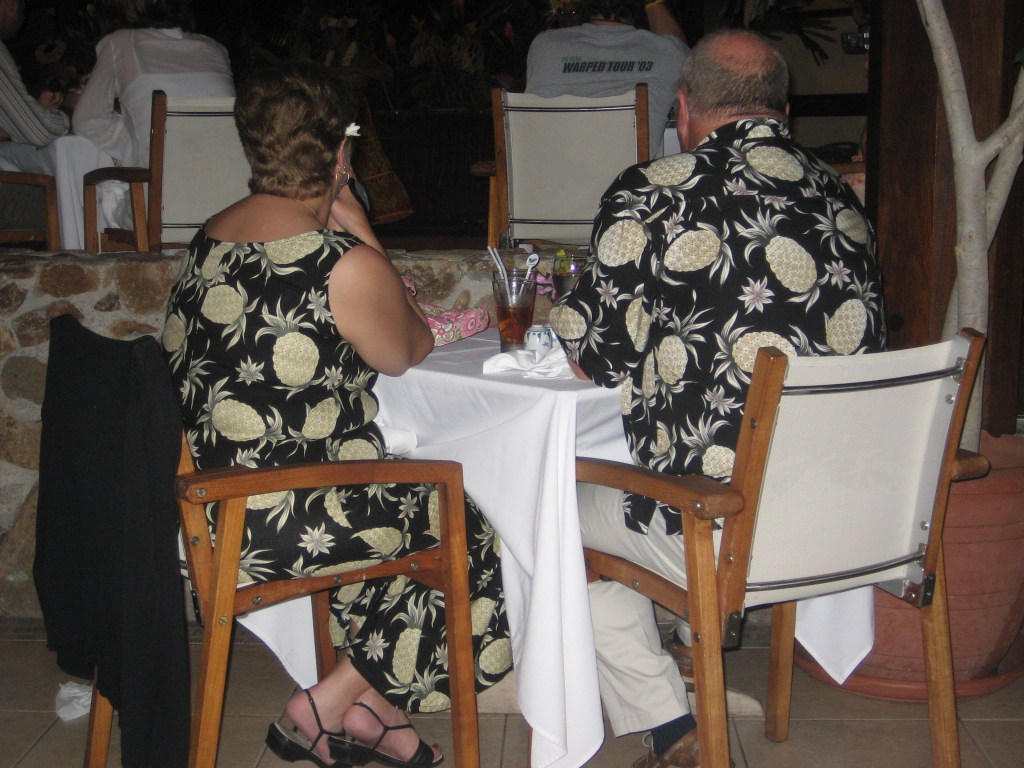
    For example, while on our Honeymoon in Tahiti, we found these two strangers:
    Pineapple Express Couple

    Together we decided that she was a woman named “Marjorie” who had been married to “Phil” for 35 years.  They lived in Canada and had a mutual love for all things fruity.  In fact, Phil was a well-known fruit distributor in their hometown.  They had saved a small portion of Phil’s bonus every year for the last 20 so they could take a fabulous trip with their family.  However, when their son, Tyler, got fired again for looking at dirty pictures at work, they decided to ditch the family, buy some fabulous resort clothing and fly first class to Tahiti.  So far, they were very pleased with their change in vacation plans.  Marjorie was looking forward to shopping for black pearls in the town square tomorrow.  Phil was looking forward to the nightly show at the hotel and watching those half-dressed Polynesian women shake it again…

    We may have broken rule # 2 in that particular “Backstory”….oops.  We couldn’t help ourselves…

    By the way, “Backstory” can also be an ongoing game. It can make an otherwise dull daily commute into a quick and fun little ride.  I see the same commuters everyday on my 40 minute train ride and actually know very few of them.  They have no idea that I know each one of their “Backstories”…

    It would be awesome to hear what kind of “Backstory” games you all come up with?  Please share!
  • I would like to thank the Academy…a case for storytelling and free speech

    I would like to thank the Academy…a case for storytelling and free speech

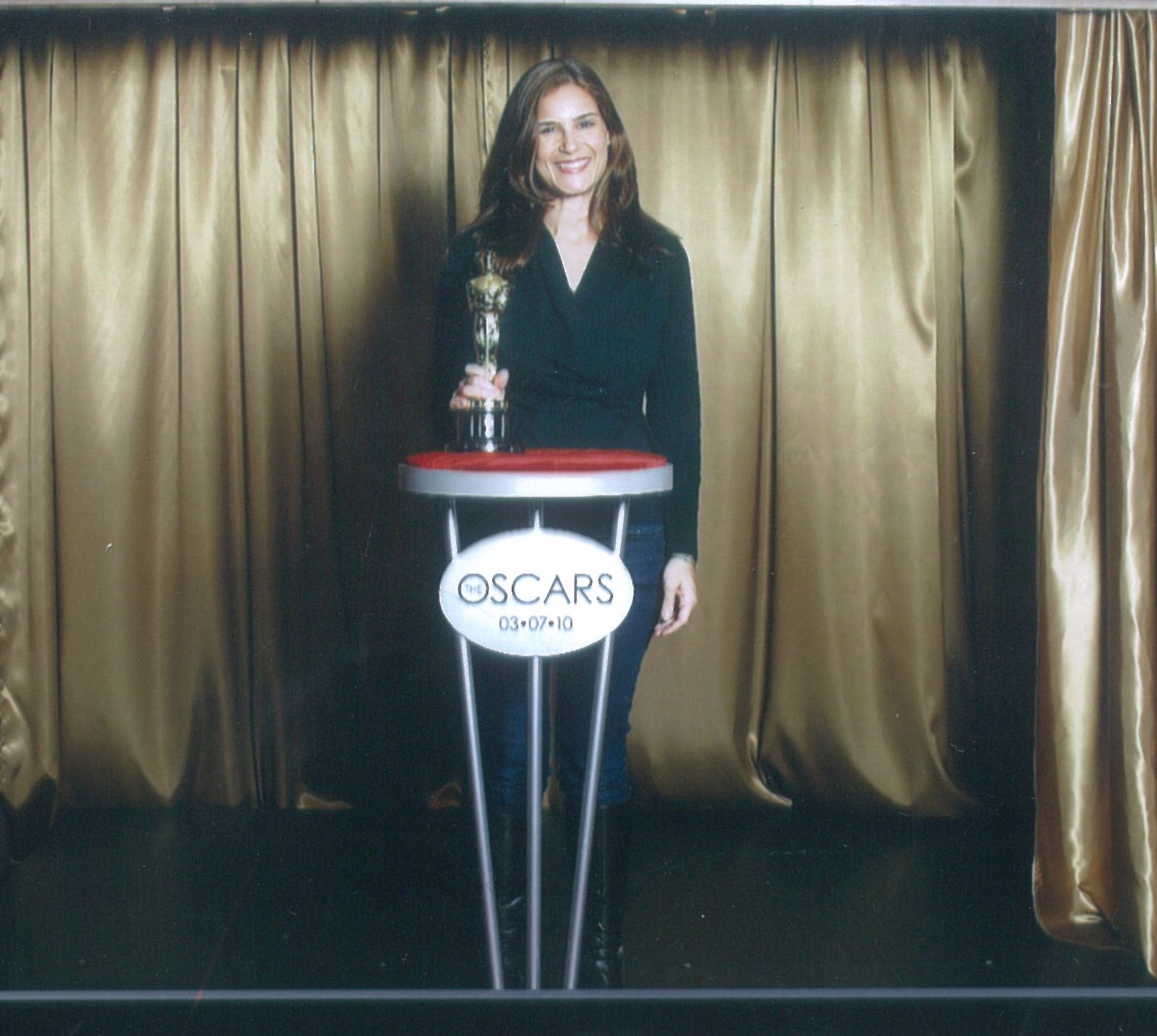
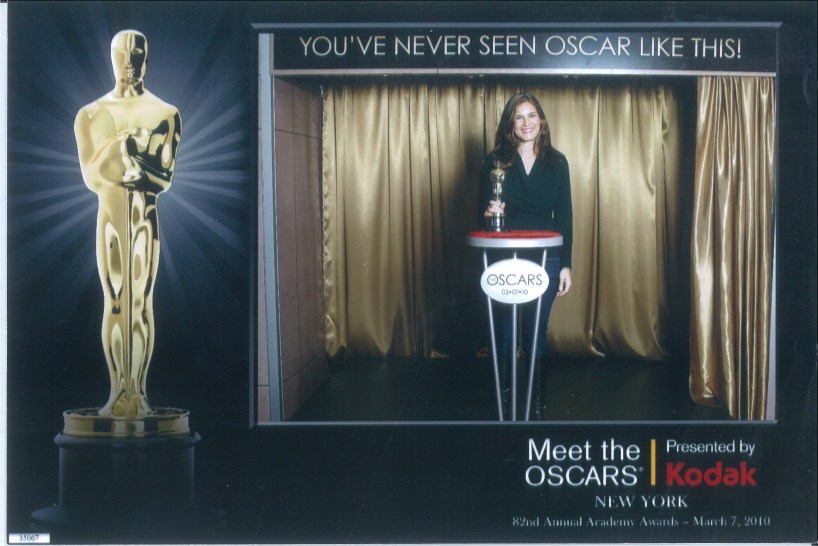
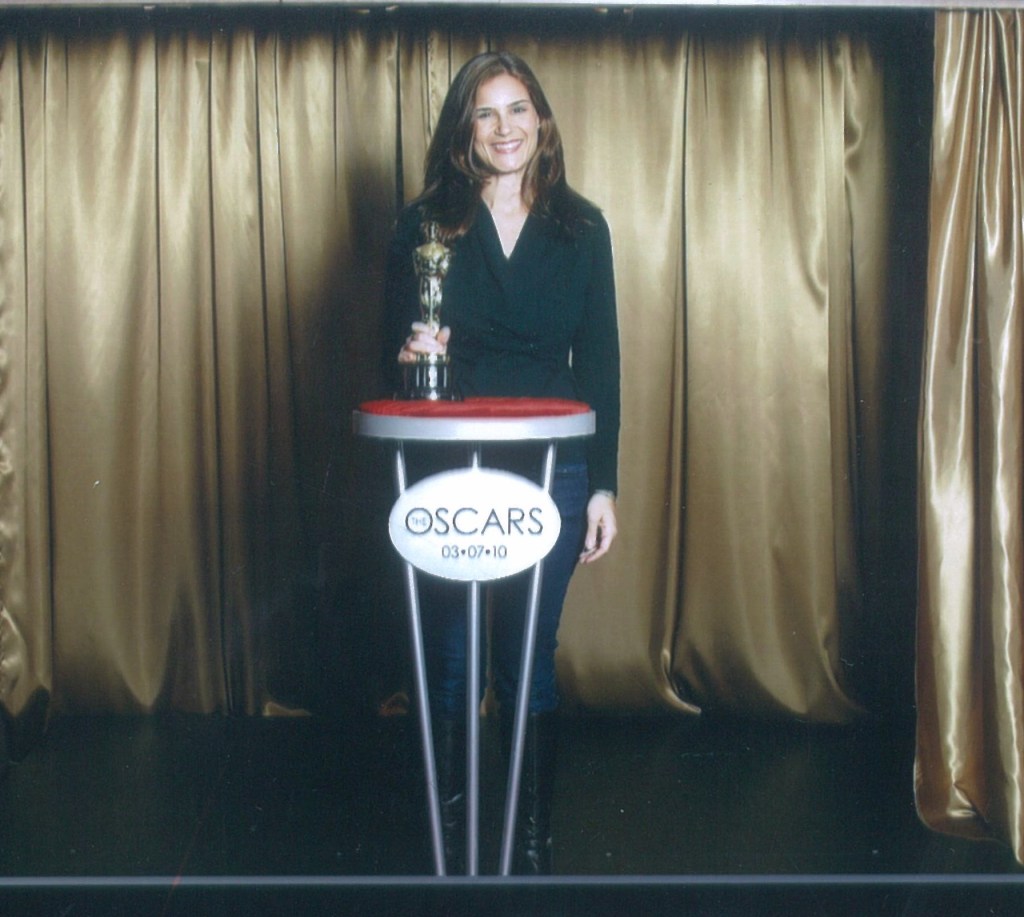
    March 7th, 2010, a day forever marked by two little guys both starting with “O”: Oscar, the little gold Academy Award in my hand below and Owen, the little miracle I just learned was coming into the world.


    “Congratulations!”  they said as they handed me the gold statuette.  It felt both cool and warm in my hands – probably because it was metal and people had been manhandling it for the last hour.  I kept my acceptance speech short, but of course started with “I would like to thank the Academy”.

    In case you can’t tell, the cheap gold drapery and Bush league podium were not actually from the Academy Awards. Kodak sponsored the event at the Time Warner Center, which happened to be located across the street from my doctor’s office.

    Tonight I will be tuning in again to watch the Academy Awards where the Hollywood elite will bring the glitz and the glam, and, I suspect, a lot of politically-charged speeches. I know, cue the eye-roll. After feigning shock that they won and proclaiming it’s an honor to work with so-and-so, who is “such a genius”, the stars will likely make a comment about our current administration and the freedoms that are dangling before us. If I had a podium and that audience, I hope I’d say something, too, joining in the effort to preserve free speech.

    Even though these stars aren’t like us regular people, we rely on them to bring stories  – thought-provoking or adrenaline-packed stories to help us escape and help us relate. We rely on them to help create worlds that we find just believable enough. We rely on these stories to give us hope and let us live, however briefly, in another world. And we hold these people to high standards of authenticity.

    Look at last year’s Best Picture nominee, The Martian, starring Matt Damon. The movie was based on a book written by Andy Weir, who wanted to tell a story of an astronaut stranded on Mars and what it would take for him to figure out how to survive. Mr. Weir offered his story in installments on his own website – for free. He was so precise in his storytelling that he wrote computer programming, solved mathematical problems and researched how to grow potatoes just to make the story more believable.

    His research for the book was so detailed that teachers begged for him to remove the profanity and create a textbook to teach students about physics and mathematics. See the New York Time’s article from Saturday that explains more: here.

    That’s the power of good storytelling.

    So my acceptance speech would go something like this:

    I would like to thank the Academy for giving me an award show that takes me away from my average life for at least 4 hours one Sunday night each year.  I would like to thank the E! news channel for providing great guilty pleasure entertainment.  I would like to thank my husband for permitting me to make this Sunday my Super Bowl Sunday – a day that is planned around a lengthy television program complete with I-shouldn’t-eat-that food and extra imbibing (yay Champagne!).   I would like to encourage those in power to protect free speech, continue funding for the arts and to think out side of the box in terms of teaching our children. Also, I’d like to see more awards shows for actual geniuses in all sorts of fields: Best Plumber, Best IT Support Team, Best Researcher, Best Teacher, Best Stay-at-Home Mom, etc. I am grateful for storytellers and hope we all continue to share our voices and look for ways to connect.

    Cheers!
    Pin It